
You're standing beside your dog in soft window light, and something clicks. Your scarf echoes the warm brown in their coat, their bandana picks up the color of your sweater, and the photo suddenly feels more intentional. Nothing looks like a costume. You look like a pair with a shared point of view.
That's why matching dog and owner ideas work so well in photos. Coordinated details make two separate subjects read as one unit, while the dog's expression and the owner's personality keep the image personal. The best matches don't force identical outfits or turn your dog into a prop. They connect color, texture, movement, or meaning.
The eight ideas below move from quick styling changes to choices that shape everyday life. You'll find coordinated clothing, lifestyle and activity matching, grooming themes, training, home décor, paired portraits, and keepsakes designed to last. Each approach includes a practical way to try it, plus the trade-offs that help you keep the result comfortable, useful, and yours.
1. Coordinated Outfit and Accessory Sets
The easiest place to start is with one shared visual detail. You might wear a plaid overshirt while your dog wears a bandana in the same print, or choose a bright rain jacket for yourself and a matching color for your dog's coat. The pieces don't need to be identical. In fact, they usually look more polished when the pattern stays the same but the item changes.
This approach suits walks, holidays, outdoor events, and social photos because you can adjust it to the occasion without changing your whole wardrobe. A flannel shirt and bandana feel relaxed for a fall photo walk. Coordinated sweaters can suit a seasonal gathering. Bright raincoats make a practical hiking or city-walking pair.
Keep the match comfortable
Start with one color or print, then vary the cut, scale, or fabric. A full matching outfit can quickly feel novelty-driven, while a shared accent looks deliberate. Measure your dog's neck, chest, and back length rather than relying only on breed-based sizing, and check the fit again after fastening the garment.
Introduce clothing in short sessions with treats. Choose breathable materials in warm weather, watch for rubbing around the legs and neck, and remove anything that makes your dog freeze, scratch, pant, or repeatedly try to escape.
Practical rule: Match the visual idea, not necessarily the entire outfit. Your dog's comfort matters more than a perfectly identical photo.
For a more personal approach, you could create a custom garment using a favorite image or design. This guide to personalized pet sweaters can help you think through how a pet-centered design might translate onto clothing. If you're printing a simple dog shirt or accessory, T-Shirt Envy's pet printing help is another practical reference.
2. Breed-by-Lifestyle Matching
A beautiful visual match doesn't compensate for a difficult daily routine. The most functional form of matching connects a dog's likely energy, temperament, size, grooming needs, and social preferences with the owner's real life. Someone who hikes or runs most days may be comfortable with a high-energy dog. Someone living in a compact home may need a dog whose exercise and enrichment needs fit the available routine, not just the available floor space.
Breed descriptions can provide a starting point, but they can't predict every individual dog. A Border Collie or Australian Shepherd may suit an active owner who enjoys structured outdoor time, while an urban household may investigate smaller companion breeds. Health considerations still matter, particularly when researching breeds with known structural or respiratory concerns.
Match the week you actually live
Before you choose, write down your normal schedule, including work hours, travel, exercise, time alone, housing rules, and access to outdoor space. Then meet the individual dog. A rescue assessment, foster report, or responsible breeder's observations can reveal more about a particular dog than a breed label alone.
Use AKC breed group descriptions as an initial research tool, not a guarantee. If you're considering a breeder, ask for health testing documentation relevant to the breed. If you're adopting, ask how the rescue evaluates behavior, medical needs, handling tolerance, and interactions with people or other animals.
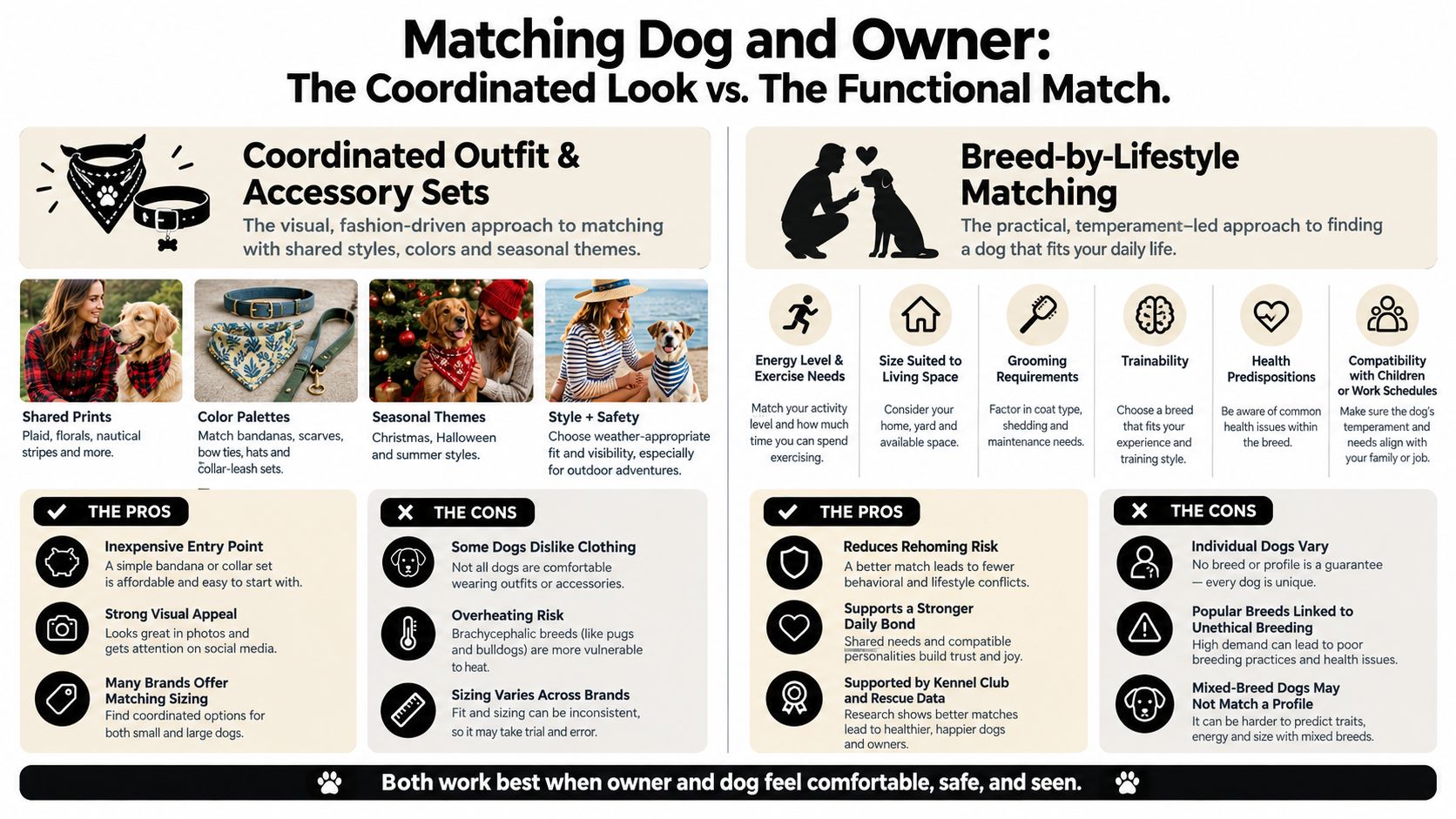
A runner researching medium dog breeds for running should still assess the individual dog's joints, age, conditioning, and enthusiasm before building a running routine. Lifestyle matching works when it remains flexible and welfare-focused, rather than treating a breed as a guarantee of compatibility.
3. Shared Activity Pairing
Some pairs look alike because they move together. A dog and owner who train for agility, hike the same trails, practice canine freestyle, or prepare for dock diving develop a recognizable rhythm. Their shared identity comes from communication and repetition, not just coordinated clothing.
Start with an activity that matches your dog's body, confidence, age, and interest. Agility can sharpen handling and timing, while hiking creates a slower partnership built around navigation, breaks, and environmental awareness. Canine freestyle adds music and choreography. A basic manners goal or a Canine Good Citizen preparation course can provide structure without requiring a competitive ambition.
Build the partnership gradually
A beginner class at a local training facility is a useful test. You'll learn whether your dog enjoys the activity, whether you enjoy the instruction style, and whether the pace suits both of you. For high-impact sports, ask your veterinarian about physical readiness, particularly if your dog is young, senior, overweight, recovering from injury, or showing discomfort.
Keep practice short and upbeat. End while your dog is still engaged, and record occasional sessions so you can review your timing, handling position, and reward placement. A phone video often reveals a small communication problem that's difficult to notice while you're concentrating on the course.
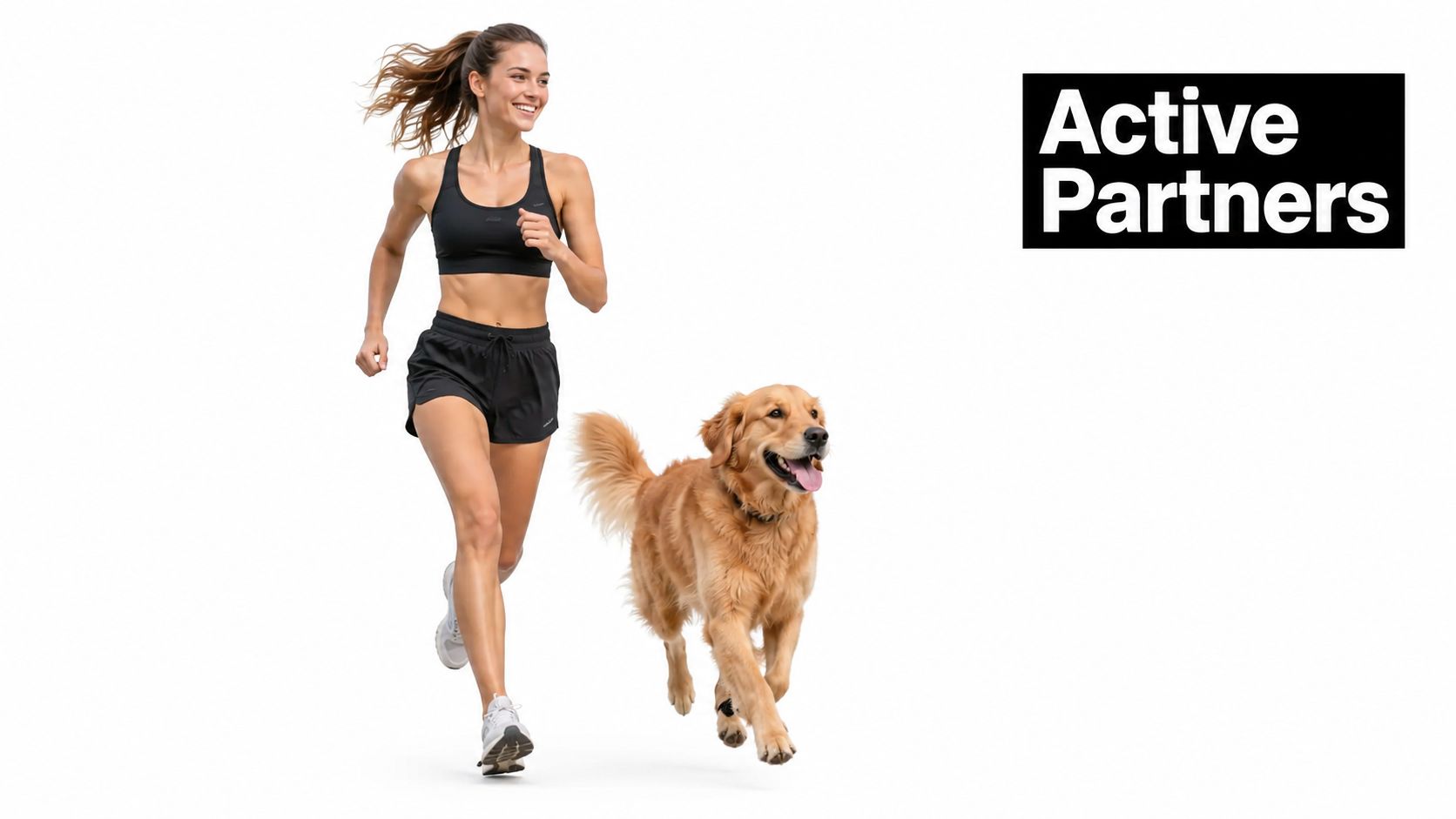
The trade-off is commitment. Shared activities can deepen your bond, but they also require transport, equipment, recovery time, and consistent practice. Choose something you'll still enjoy on an ordinary week, not only something that looks impressive in a highlight reel.
4. Grooming and Aesthetic Matching
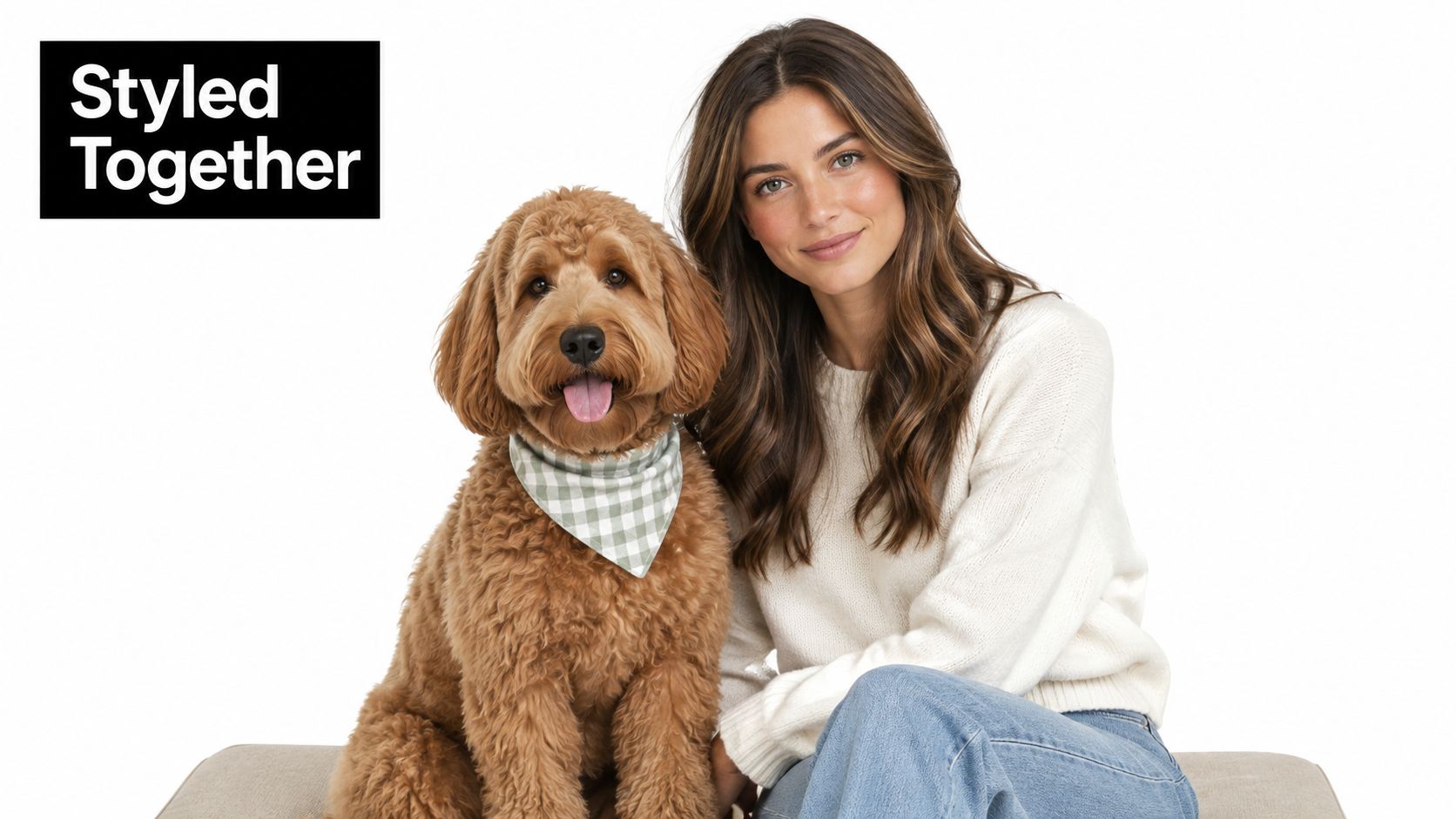
A shared hairstyle, coat shape, or color theme can create a playful look-alike portrait. An owner with a rounded bob might coordinate with a poodle or doodle cut, while a person with dark, wavy hair could emphasize the visual connection with a dog's curly coat. You can also create a simpler series based on expression, posture, or coat color rather than copying a haircut.
The safest aesthetic match respects the dog's coat and skin. A professional groomer can suggest a breed-appropriate trim that supports movement, temperature regulation, coat health, and easy maintenance. Human hair dye isn't suitable for dogs. If you're considering color, use only a pet-formulated product, follow professional guidance, and patch test before a full application.
Style for the camera, not at your dog's expense
Keep grooming sessions brief and reward calm behavior. Don't force a pose, hold a dog in an uncomfortable position, or extend the appointment to achieve a visual effect. A good photograph can come from a shared background, matching accessories, similar eye lines, or the way you both turn toward the camera.
For a lasting version of the idea, consider turning the styled reference into art rather than repeating the grooming theme. William Tucker Art's Acrylic Pet Painting Final Payment listing describes a custom acrylic pet portrait process using supplied photos, with the finished work presented on gallery-wrapped canvas.
The strongest result usually shows your dog's actual character. A neat trim can support the concept, but relaxed eyes, familiar posture, and natural expression make the portrait feel like your relationship rather than a styling exercise.
5. Coordinated Owner and Dog Portrait Series
A paired portrait gives matching a more expressive form. Instead of placing you and your dog in one crowded image, an artist can create two related works with a shared palette, background treatment, or emotional tone. You might appear in one piece and your dog in the other, with repeated colors linking the pair across the wall.
This format works particularly well when you want both subjects to feel equally important. A diptych can use a calm neutral background for a quiet home, stronger color for a lively room, or complementary tones that connect your clothing with your dog's coat. The relationship becomes visible through composition rather than a literal matching outfit.
Decide what should connect
Before commissioning, choose the common thread:
- Shared palette: Pull one or two colors from your dog's coat, collar, clothing, or room.
- Shared mood: Decide whether the portraits should feel calm, playful, dignified, energetic, or reflective.
- Shared scale: Discuss whether your face and your dog's face should receive similar visual weight.
- Shared setting: Use a simple background that lets the subjects carry the story.
Send several high-resolution reference photos taken in natural light. Include images that show your dog's eyes, muzzle, markings, and usual expression. For your own portrait, provide photographs that represent how you want to appear, rather than relying on one heavily filtered selfie.
A historical example of paired animal subjects is Landseer's Dignity and Impudence, painted in 1839. Its interest comes from the relationship between the two dogs, including contrast in scale and character. Your own portrait series can use a similar principle without copying the composition. The point is to let connection and difference work together.
6. Home Décor Coordination
Your dog already shapes the home through beds, bowls, toys, walking gear, and favorite resting places. Coordinated décor makes those objects feel intentionally integrated instead of temporarily scattered around the room. The match can be as simple as repeating an accent color in a dog bed, throw pillow, blanket, and pet portrait.
Choose two or three accent colors and use them selectively. A deep green might appear in the dog bed, a cushion, and the background of a portrait. A warm neutral can connect the crate, rug, and wall art. Repetition creates cohesion without requiring every item to look like part of a set.
Design around real use
Performance fabrics and washable covers are practical choices for homes with muddy paws, shedding, or frequent outdoor activity. Test textures before committing, especially if your dog scratches, chews, or avoids slippery surfaces. A visually attractive bed that your dog refuses to use isn't a successful match.
Place a portrait near your dog's favorite resting spot, but consider the wall, lighting, and viewing height too. A gallery wall can combine family photographs with a commissioned dog portrait, giving your pet the same visual status as other members of the household. This article about dog paintings and portraits offers a useful starting point for thinking about subject, style, and placement.
A dog-friendly home shouldn't look like a showroom. Leave room for worn toys, practical storage, and the evidence of a life you share.
The trade-off is maintenance. Pale fabrics, delicate finishes, and low furniture may photograph beautifully but demand more care. Choose the version of your design that survives your dog's actual habits.
7. Matching Training Approach
The most meaningful matching often happens where nobody can see it. You and your dog develop a shared language through consistent cues, hand signals, reward patterns, routines, and expectations. When everyone in the household responds the same way, the dog gets clearer information and the owner gets a more predictable partner.
Positive reinforcement can include food, play, access to something the dog wants, praise, or a combination of rewards. A clicker or verbal marker can identify the moment your dog performs the desired behavior. The method matters less than consistent timing, humane handling, and a plan that fits the individual dog.
Make the household language consistent
Agree on cue words before training begins. If one person says “come,” another says “here,” and a third uses the dog's name for recall, the household may create unnecessary confusion. Decide which hand signals, release words, boundaries, and rewards everyone will use.
Keep practice sessions short and finish after a successful response. A simple routine might cover name recognition, recall, settling on a mat, loose-leash walking, or cooperative handling. If fear, aggression, separation distress, or another serious behavior issue appears, work with a qualified professional such as a CPDT-KA or an appropriately experienced trainer who uses humane methods.
Training can also become part of your visual identity. A calm dog lying beside you at a café, walking with a loose leash, or calmly participating in a portrait session tells a richer story than a matching accessory alone. For a finished artwork that suits a carefully designed room, you might review pet portrait framed ideas before choosing the final presentation.
8. Commemorative Keepsake Pairing
Some matching ideas celebrate the bond as it changes. A paired tattoo might combine a paw print with a small portrait detail, while a piece of jewelry could use a silhouette, name, or meaningful symbol. A memorial portrait can keep a dog's presence visible in the home after death, alongside photographs, tags, collars, or other heirlooms.
Choose a design that remains recognizable at different sizes. Tiny details may disappear in a tattoo or engraved piece, while a highly literal portrait may require more space than you expect. Ask tattoo artists for examples of pet work, and check that they can translate the specific shape of your dog's muzzle, ears, markings, and expression.
Test permanence before committing
If you're uncertain, begin with a print, small commissioned drawing, temporary tattoo, or framed photograph. Live with the design before choosing permanent body art. A good keepsake should feel meaningful because it reflects your relationship, not because it follows a trend.
For a memorial portrait, gather several photographs from different stages of your dog's life. One image may show the face clearly, another may capture the familiar posture, and a third may reveal the expression you remember most. Tell the artist which details matter emotionally.
A meaningful animal tattoo can draw on broader symbolism, but the strongest design remains personal to the dog. This meaningful animal tattoo guide may help you compare symbolic approaches before you meet with an artist.
8-Point Dog & Owner Matching Comparison
| Item | Implementation Complexity (🔄) | Resource Requirements (⚡) | Expected Outcomes (⭐) | Ideal Use Cases (📊) | Key Advantages (💡) |
|---|---|---|---|---|---|
| Coordinated Outfit and Accessory Sets | Low, simple coordination, minimal skills | Low, affordable clothing/accessories, easy sourcing | High visual appeal; photo-friendly, modest practical benefit | Walks, holidays, social media photos, events | Easy, inexpensive entry; increased visibility with reflectives |
| Breed-by-Lifestyle Matching | Moderate, research + long-term planning | Moderate–High, time, training, vet care, adoption/breeder costs | High functional fit; reduces rehoming risk, better daily match | First-time owners, active households, apartment vs. house decisions | Aligns energy/needs to owner lifestyle; supports long-term wellbeing |
| Shared Activity Pairing (Dog Sports & Adventures) | High, sustained training and coordination | High, classes, equipment, travel, regular vet checks | Strong bond, improved fitness and skills; competitive results possible | Agility, dock diving, trail running, canine freestyle, clubs | Builds communication and community; excellent mental/physical outlet |
| Grooming and Aesthetic Matching | Moderate, styling skill or professional groomer | Moderate, grooming fees, pet-safe products, upkeep | Memorable, playful visuals; short- to mid-term impact | Portraits, social media, themed events, photoshoots | Creates distinctive look for photos; flexible commitment levels |
| Coordinated Owner and Dog Portrait Series | High, commissioning, planning, artist coordination | High, artist fees, quality photos, time investment | Lasting personalized keepsake with high emotional/decor impact | Gifts, home decor, commemorative commissions | Tailored art that complements home; enduring personal value |
| Home Décor Coordination | Moderate, design planning and sourcing | Moderate, textiles, pet furniture, occasional custom pieces | Cohesive interior where pet items blend with decor | Pet-friendly homes, staged interiors, long-term styling | Reduces visual clutter; makes pet items feel intentional and stylish |
| Matching Training Approach | Moderate, consistent household practice | Low–Moderate, time, treats, trainer fees if needed | Improved behavior, predictable communication, stronger bond | Any household seeking reliable manners and routines | Widely supported positive methods; adaptable to any dog |
| Commemorative Keepsake Pairing (Tattoos, Memorials, Heirlooms) | Low–Moderate, design selection, artist/producer choice | Low–High, from inexpensive jewelry to costly commissions | High emotional significance; durable memorial or memento | Grief support, anniversaries, heirloom gifts, memorials | Deeply personal remembrance; flexible formats and budgets |
Choose Your Pair's Look and Start Planning
Matching doesn't have one correct appearance. You can make the connection visible with a plaid shirt and bandana, or make it practical by choosing a dog whose energy and care needs fit your life. You can build identity through a shared activity, a training language, or grooming choices that echo your own style without compromising your dog's comfort.
The home offers another route. Repeat a small color palette through a bed, blanket, portrait, or gallery wall, and your dog becomes part of the room's design rather than an afterthought. For a stronger statement, commission a paired portrait that treats you and your dog as related subjects. The artwork can connect your colors and expressions while preserving the differences that make the relationship interesting.
Keepsakes move the idea into memory. A tattoo, piece of jewelry, photograph, or memorial painting can mark a shared life without reducing it to a visual trend. This is especially useful when a dog's presence has shaped your routines, your home, and your sense of family.
There are trade-offs in every approach. Matching outfits are quick but temporary. Breed-by-lifestyle matching is practical but requires honest self-assessment. Dog sports create a visible partnership but demand regular time and physical care. Grooming and décor can look cohesive, yet both need to accommodate real comfort and mess. Commissioned art lasts longer, so the reference photos and shared theme deserve careful thought.
Start with the idea that fits your budget, timeline, and daily life. If you need something immediate, choose one color and build a simple outfit or accessory pairing. If you want a long-term project, plan an activity, refresh a room, or gather photos for a portrait. Don't choose a style that asks your dog to tolerate discomfort for the sake of a picture.
Your next step is concrete. Gather several clear photos of you and your dog in natural light, then choose one shared color or theme before buying anything, booking a groomer, signing up for an activity, or commissioning art. That single decision will keep the result visually connected while leaving room for both personalities.
William Tucker Art creates custom pet artwork from client-supplied photographs, using media such as acrylic, oil, and mixed media on canvas, paper, or wood panels. A personalized commission can turn your matching dog and owner theme into an original piece designed around your dog's character and the space where you'll display it.
William Tucker Art offers custom pet portraits created from your photographs, with options that can connect your dog's colors, personality, and place in your home. Visit William Tucker Art to explore the artwork and begin planning a portrait that reflects the bond you share.